
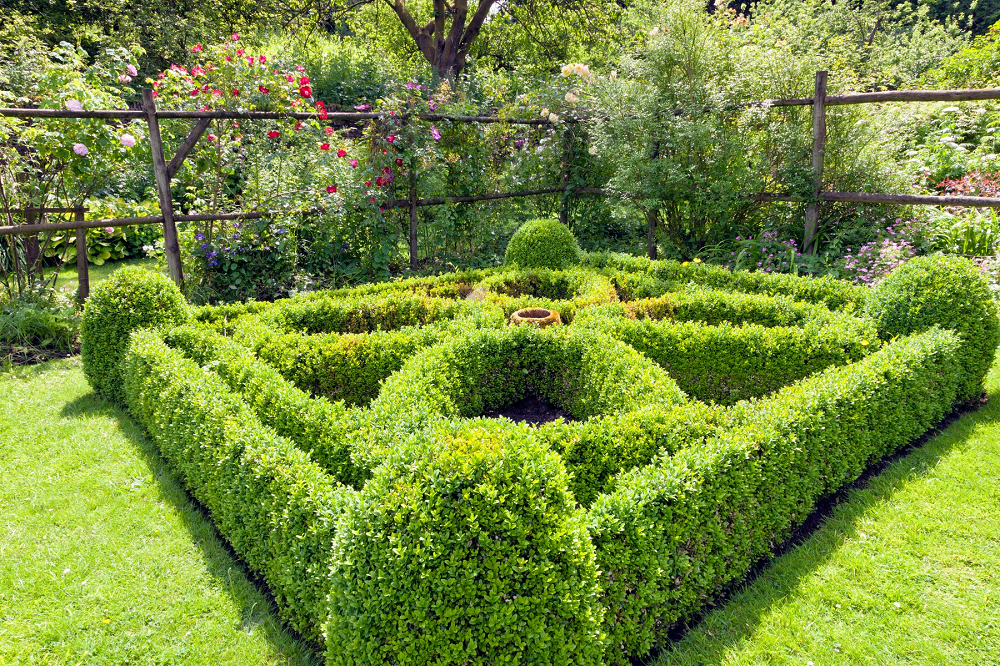
Modern landscaping increasingly focuses on creating outdoor environments that offer both beauty and privacy. One of the most effective natural solutions used today is the Podocarpus hedge, which is widely chosen for forming dense green screens around residential and commercial properties. These living barriers provide a natural way to block unwanted views while maintaining a soft and visually appealing landscape.
Homeowners often prefer a hedge because it offers a long-term alternative to artificial fencing. Unlike rigid materials, it grows naturally and becomes more effective over time as it matures and thickens.
Importance of Natural Screening in Landscaping
Outdoor privacy has become an essential part of modern garden design, especially in urban and suburban areas where properties are closely spaced. Podocarpus hedge plays an important role in addressing this need by serving as a living barrier that separates spaces without disrupting the environment's natural flow.
It is commonly used to create boundaries along property lines, driveways, and garden perimeters. One of its main advantages is its ability to reduce visibility while still maintaining a natural green appearance. This makes the Podocarpus hedge more visually appealing than traditional fencing options.
In addition to privacy, it helps improve environmental conditions by filtering dust, reducing noise, and providing shade. These benefits contribute to a more comfortable and balanced outdoor space.
Selection and Growth Considerations
Choosing the right plant type is essential for creating an effective natural screen. Growth rate, foliage density, and adaptability determine how well it performs in different environments.
This plant is known for its steady growth and dense evergreen foliage, which makes it suitable for year-round coverage. It is often selected in landscaping projects where consistent privacy is required without seasonal gaps.
Proper spacing is also important. When planted too closely, it may restrict healthy growth. When spaced too far apart, gaps can appear in the hedge line. Careful planning ensures develops into a continuous and uniform barrier.
Soil quality and sunlight exposure also play a major role in its development. Well-drained soil and balanced nutrients support stronger root systems and healthier foliage growth.
Maintenance and Long-Term Development
Once established, it requires regular maintenance to maintain its shape and density. Pruning is essential for controlling height and encouraging fuller growth, ensuring the hedge remains visually uniform and effective as a privacy barrier.
During early growth stages, consistent watering helps the plant establish strong roots. After maturity, it becomes more resilient and requires less frequent care. Proper soil conditions further support long-term stability and healthy development.
Over time, Hedge becomes thicker and more structured, forming a strong natural screen that requires only periodic maintenance while continuing to improve outdoor privacy.
Environmental and Functional Benefits
Beyond privacy, Hedge provides several environmental benefits. It helps improve air quality, supports biodiversity, and acts as a natural windbreak. Its dense foliage also reduces heat buildup, making outdoor spaces more comfortable in warm weather.
These characteristics make it a sustainable option for long-term landscaping, especially in areas where environmental balance and visual appeal are equally important.
Conclusion
In modern landscape design, natural screening solutions are becoming increasingly important for creating functional and attractive outdoor spaces. Hedge is widely used because it offers long-lasting privacy, low maintenance requirements, and strong visual structure when properly managed. It remains a reliable choice for both residential and commercial landscapes.
In many outdoor designs, hedge plants are used alongside it to create structured boundaries and enhance dense green screening effects.