
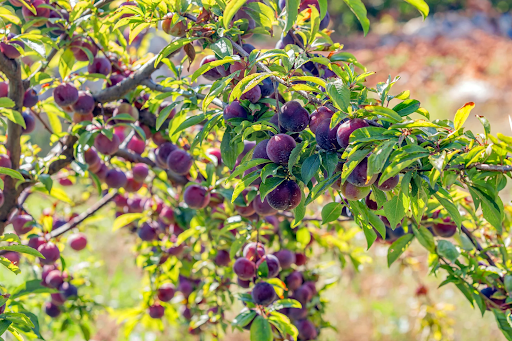
Planting a plum tree is a rewarding gardening endeavor that can transform a backyard or orchard into a productive landscape. With proper attention to soil, sunlight, and water, your plum tree will establish strong roots, flourish with lush foliage, and eventually reward you with delicious plums. This guide provides essential, well‑researched information to help you plant and care for plum trees successfully.
Choosing the Right Location
Selecting the ideal planting site is the first critical step toward a healthy plum tree. Plum trees thrive in full sun, so choose a spot that receives at least 6 to 8 hours of direct sunlight daily. Sunlight is vital for photosynthesis, flower development, and fruit set, as trees with insufficient sunlight tend to be weak and produce fewer plums. Placing the tree away from structures or taller plants helps maximize light exposure and improve air circulation, which reduces disease pressure.
Soil Requirements for Success
Plum trees are adaptable to a range of soil conditions, but they perform best in well‑drained, fertile soils with a slightly acidic to neutral pH. A soil pH between 6.0 and 6.5 is often ideal, though plum trees can tolerate a broader range when other conditions are favorable. The key is good drainage. Waterlogged soils can suffocate roots and lead to root rot. Loamy or sandy loam soils enriched with organic matter offer excellent drainage and nutrient availability, while heavy clay soils may require amendment by adding compost or other organic material to improve texture and aeration. Before planting, dig a hole twice as wide as the root ball to promote easy root expansion and ensure that the root flare sits at soil level.
Planting Your Plum Tree
Plant plum trees during early spring once the threat of severe frost has passed, or in the fall where winters are milder, and the tree can establish roots before dormancy. After selecting a sunny, well‑drained site, dig a hole twice as wide and about the same depth as the root ball. Gently remove the tree from its container, place it in the hole at the same depth it previously grew, and backfill with native soil. Firm the soil gently around the roots to eliminate air pockets, then water thoroughly. Applying a layer of mulch around the base helps conserve moisture and suppress weeds, but keep the mulch several inches away from the trunk to prevent rot.
Watering Basics
Proper watering is one of the most important aspects of plum tree care. Newly planted plum trees require consistent moisture to establish a strong root system. For the first growing season, water deeply at regular intervals enough to soak the root zone without leaving the soil soggy. A general guideline is about 1 inch of water per week for newly transplanted trees, with the frequency adjusted based on soil type and weather conditions. In sandy soils that drain quickly, more frequent watering may be necessary, while in heavier soils, allow the surface to dry slightly between waterings.
Long‑Term Care and Maintenance
To ensure long‑lasting growth, plum trees benefit from periodic pruning during the dormant season. Pruning helps shape the tree, enhances air and light penetration, and removes dead or crossing branches that can harbor pests or disease. Incorporating balanced fertilization in early spring supports vigorous growth and supports fruit development. Additionally, monitoring for pests and diseases and taking timely action keeps your plum tree healthy year after year. Depending on your climate and variety choice, some plum trees may be self‑fertile, while others benefit from cross‑pollination with a compatible variety planted nearby.
Conclusion
Planting a plum tree can be a gratifying project when you understand the basics of soil, sunlight, and water. By choosing a sunny site with fertile, well‑drained soil and providing consistent moisture during establishment, your plum tree is well‑positioned for vigorous growth and abundant harvests. Regular care and maintenance of fruit trees, including pruning and seasonal feeding, will ensure your orchard remains productive and resilient. With thoughtful planning and care, your garden can flourish with healthy and fruitful trees that offer beauty and bounty for years to come.