
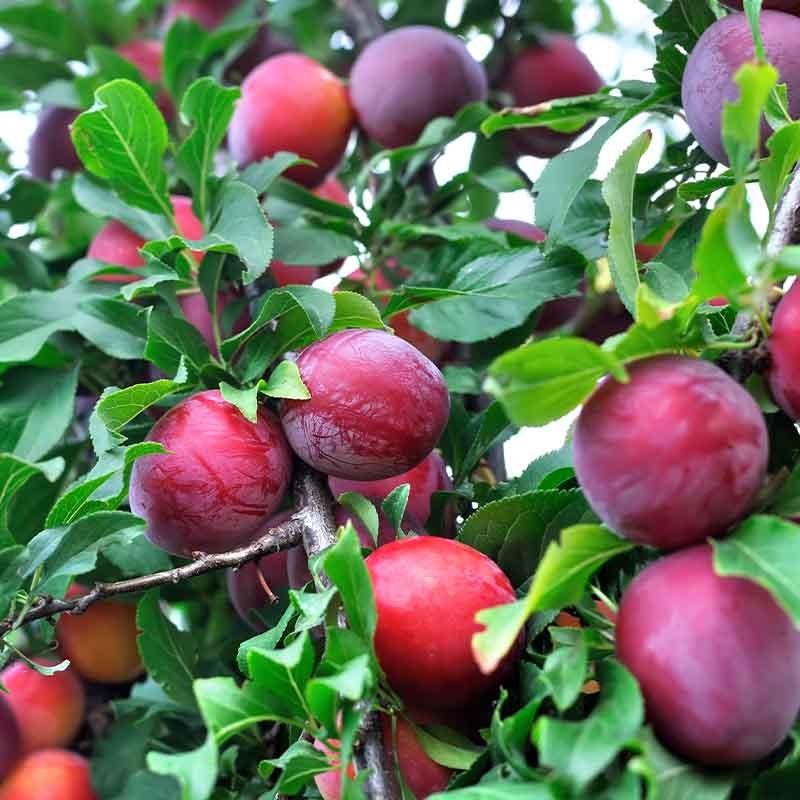
Growing fruit trees at home is a rewarding way to enhance your garden while enjoying fresh produce. A well-planned garden not only improves outdoor aesthetics but also supports a sustainable lifestyle. Among the many fruit-bearing options, the Plum tree is a popular choice for gardeners due to its adaptability, beauty, and productivity.
Whether you are a beginner or an experienced gardener, understanding how to grow and care for plum trees can help you achieve better results and long-term benefits.
What Is a Plum Tree?
A Plum tree is a deciduous fruit tree belonging to the Prunus genus, known for producing sweet and juicy stone fruits. These trees are widely grown across the world and come in various varieties, including European, Japanese, and hybrid types.
Plum trees not only provide delicious fruits but also add seasonal beauty to gardens with their blossoms and foliage.
Benefits of Growing Plum Trees
Fruit Production
One of the biggest advantages of planting a Plum tree is its fruit yield. Mature trees can produce a significant amount of fruit annually, which can be eaten fresh or used in jams, desserts, and preserves.
Aesthetic Appeal
Plum trees produce attractive flowers in spring, adding visual interest to your garden. Their blossoms and foliage enhance the overall landscape design.
Long-Term Value
Once established, a plum tree can continue producing fruit for many years, making it a long-term addition to your garden. Some trees can remain productive for decades with proper care.
Environmental Benefits
These trees support pollinators such as bees and contribute to biodiversity, helping maintain a healthy garden ecosystem.
Ideal Growing Conditions
Sunlight Requirements
A Plum tree thrives in full sunlight and typically needs at least 6–8 hours of direct sun daily for optimal growth and fruit production.
Soil Conditions
Well-drained soil is essential for healthy growth. Plum trees prefer slightly acidic soil and do not tolerate waterlogged conditions, which can lead to root damage.
Space and Placement
Depending on the variety, plum trees require adequate spacing. Some types may also need a second tree nearby for cross-pollination to produce fruit effectively.
How to Plant a Plum Tree?
Step 1: Choose the Right Spot
Select a sunny location with good air circulation and well-drained soil.
Step 2: Prepare the Soil
Dig a hole that is larger than the root ball to allow roots to spread easily.
Step 3: Plant the Tree
Place the tree in the hole, ensuring the soil level matches the trunk base, then fill and firm the soil.
Step 4: Water Thoroughly
Water the tree immediately after planting to help it establish strong roots.
Proper planting is crucial for ensuring the long-term health and productivity of your tree.
Care and Maintenance Tips
Watering
Young plum trees need regular watering to establish roots, while mature trees are more tolerant of dry conditions.
Pruning
Pruning helps maintain the tree’s shape, improves airflow, and reduces the risk of diseases. It also encourages better fruit production.
Fertilization
Applying balanced fertilizers during the growing season supports healthy growth and fruit development.
Pest and Disease Control
Regular monitoring is important to prevent common issues such as aphids and fungal infections. Early detection can help maintain tree health.
Types of Plum Trees
European Plum Trees
These are commonly used for drying into prunes and are known for their rich flavor.
Japanese Plum Trees
These produce larger, juicier fruits and often require more pruning.
Hybrid Varieties
Hybrid plum trees combine traits from different species, offering improved adaptability and yield.
Choosing the right variety depends on your climate, space, and personal preference.
Common Challenges
Frost Damage
Plum blossoms are sensitive to frost, which can affect fruit production. Planting in a slightly elevated location can help reduce this risk.
Pollination Issues
Some varieties require cross-pollination, so planting compatible trees nearby is important.
Overwatering or Poor Drainage
Excess moisture can harm the roots, making proper soil drainage essential.
Conclusion
Growing a fruit tree can be a fulfilling experience that adds both beauty and productivity to your outdoor space. If you are planning to expand your garden, exploring different plants for sale can help you find the right varieties to suit your space and gardening goals. With proper care and the right conditions, a plum tree can provide years of enjoyment and fresh harvests.